
Late October Billfishing in Puerto Vallarta Sailfish Marlin Action and November Forecast
Late October has brought the kind of billfish bite Puerto Vallarta is known for: sailfish snapping in the bay, marlin showing on the edges, and enough action on shorter trips to keep anglers talking long after the boats return to the marina.
This is the stretch of the season when the fishing can change quickly. One day the water looks stirred up from storm swell and runoff. A few days later, the same areas can light up with bait, birds, dorado, sailfish, and marlin pushing into protected water. Recent hurricanes played a clear role in that pattern, not by creating perfect conditions right away, but by moving bait and predators into places where charter boats could reach them on 4, 6, and 8-hour trips.
For anglers planning a late October or November trip, the big story is simple: the bay has been holding fish, and the offshore grounds are starting to line up well for the next wave of seasonal action.

Sailfish and marlin action is strong inside and near the bay
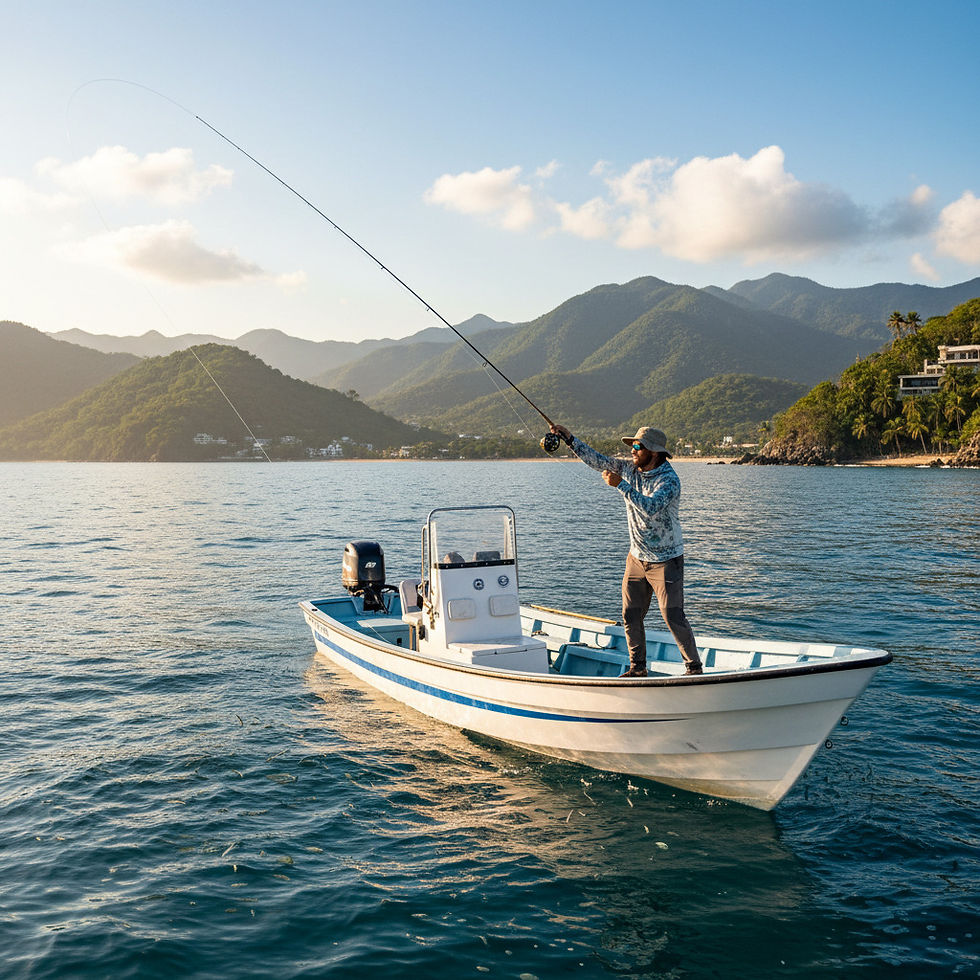
The late October bite has been especially encouraging because sailfish and marlin have not been limited to long offshore runs. Boats fishing the bay and the nearby edges have been seeing active fish, with sailfish taking center stage and marlin mixing in often enough to keep every spread interesting.
Sailfish are built for this kind of situation. When bait stacks up in warmer protected water, they follow. They can feed along current seams, around floating debris, near color changes, and in areas where bait gets pinned between cleaner ocean water and runoff-influenced water. In late October, those conditions can show up fast.
Marlin are a little less predictable on short trips, but they have been part of the conversation. Blue marlin and black marlin are the headline fish in Puerto Vallarta’s warm-water season, while striped marlin become more common as water patterns shift later in the year. During this late October window, the best marlin chances have come where the bait is healthy and the water has enough clarity for trolling lures and rigged baits to work well.
That is why crews have been watching the small signs closely:
Birds dipping over scattered bait
Skipjack or small tuna activity
Floating logs, trash lines, and storm debris
Clean blue-green water meeting stained water
Surface temperature changes across short distances
Flying fish and small dorado in the spread
None of those signs guarantee a billfish bite, but when several line up, the odds improve quickly.
Short charters have been producing better than expected
One of the best parts of the late October bite has been the success of 4, 6, and 8-hour charters. In many destinations, billfish conversations are tied almost completely to all-day offshore runs. Puerto Vallarta is different because Banderas Bay is large, deep, and connected to major Pacific fishing grounds. When bait and warm water move into the bay, short trips can get very interesting.
Four-hour charters are no longer just light-tackle trips
A 4-hour charter is still the shortest option, so expectations should stay realistic. It gives the crew less time to search, adjust, and run between areas. That said, late October has made these trips much more attractive than usual for anglers hoping to see action without committing to a full day.
On a good 4-hour trip, boats can work the bay, troll productive lanes, and stay close to bait concentrations. Sailfish are the most realistic billfish target on this length of trip. Dorado, bonito, skipjack, and other surface feeders can round out the day.
The key is efficiency. Crews need to be on fish quickly, so they often rely on recent reports, water color, bait signs, and movement from the previous day. When the bite is close, 4 hours can be enough.
Six-hour charters offer more room to adjust
A 6-hour charter gives the captain more flexibility. That extra time matters when water conditions are changing after storms. A captain can start in one zone, check the edge of cleaner water, then slide to another area if the bait or bird life looks better.
Late October sailfish action fits this schedule well. The boat has enough time to troll a proper spread, cover water, and work around current lines or floating structure. Marlin shots are still not guaranteed, but the odds climb when the boat can reach the outer bay or nearby offshore edges.
For many visiting anglers, 6 hours is the sweet spot. It offers more serious fishing than a quick morning run, but it does not take the entire day.
Eight-hour charters give billfish anglers the best short-range shot
An 8-hour charter is the strongest choice for anglers focused on sailfish and marlin without making a full run to the far banks. It allows the boat to fish through more of the day’s bite windows and reach water that shorter charters may not touch.
In late October, that can make a big difference. If the bay bite slows or the water looks too dirty in one section, an 8-hour trip can push farther toward cleaner water, deeper structure, or better temperature breaks. It also gives the crew time to switch tactics, from trolling lures to pulling baits, or from searching open water to working debris and bait schools.
The result has been a strong late October showing for anglers who want real billfish potential but prefer a manageable day on the water.
Hurricanes pushed bait and billfish toward shelter
Recent hurricanes influenced Puerto Vallarta fishing in a way that many experienced local crews recognize. Big storms disrupt the ocean first, then they often concentrate life afterward.
During and immediately after a hurricane, fishing is not the priority. Safety comes first, and rough seas, wind, rain, and port restrictions can pause activity. Once conditions settle, the ocean often looks different. Water color changes. Debris lines form. Bait moves. Predators shift their range.
In this case, the storms helped push bait and gamefish toward the protection of Banderas Bay. The bay offers shelter from heavy offshore swell, and it can hold bait when open-water conditions become unstable. That creates a temporary advantage for shorter charters. Instead of running far to find life, boats can sometimes find bait and billfish closer to home.
This does not mean every storm improves fishing. Hurricanes can scatter fish, dirty the water, and make conditions difficult for several days. But when the system clears and the bay stabilizes, the mix of warm water, bait, and shelter can create a very productive window.
For sailfish, that setup can be ideal. They are fast, mobile feeders, and they respond quickly when bait gets concentrated. Marlin may also follow larger bait sources into or near the bay, especially along edges where depth, current, and food come together.
After stormy weather, the first clean water edge can be the best place on the ocean. It is often where bait feels trapped and predators start feeding.
Water temperature shifts changed the bite pattern
Water temperature is one of the most important late-season signals in Puerto Vallarta. Billfish prefer warm water, but they do not simply chase the highest number on the gauge. They often feed best where temperature, clarity, bait, and current meet.
Hurricanes can change surface temperatures in several ways. Strong winds and swell mix the upper layer of the ocean. Rain and runoff can cool shallow areas. At the same time, water pushed around by the storm can create new breaks between warmer and slightly cooler zones.
After a hurricane, it is common to see surface temperatures vary across short distances. One area may look off-color and cooler from rainwater and runoff. Another may hold cleaner, warmer ocean water that has pushed back toward the bay. The boundary between those areas can become a feeding lane.
That is where late October crews have been focusing attention. They are not just looking for a single “perfect” temperature. They are looking for change. A slight break can collect plankton, baitfish, and floating debris. Once bait gathers, sailfish and marlin are rarely far behind.
As the water settles, temperatures often rebound in the sun, especially inside protected areas. When that warmer, cleaner water returns, the bite can turn on quickly. That has been one reason the post-hurricane period has produced solid billfish opportunities for shorter charters.

Ten-hour Corbetena charters are finding football yellowfin tuna
While the bay has been the main story for sailfish and marlin on shorter trips, the 10-hour Corbetena charters deserve attention too. Corbetena is one of Puerto Vallarta’s most respected offshore areas, and late October trips have been targeting football yellowfin tuna along with other pelagic species.
Football yellowfin tuna are smaller tuna, but they are strong, fast, and excellent table fare. They also play an important role in the larger offshore picture. Where football tuna show up, there is often bait, current, and predator activity. That can mean chances at dorado, sailfish, and bigger gamefish moving through the same general zone.
A 10-hour trip gives boats enough time to reach Corbetena, fish it properly, and adjust to what the water is doing. That matters after hurricanes because offshore conditions can be patchy. One side of a zone may be green or quiet, while another side has birds, bait, and cleaner water.
The Corbetena run is not for anglers looking for a quick morning on the bay. It is a longer day with a more offshore focus. But for those who want tuna action and the chance to fish one of the region’s classic big-game areas, late October has made the 10-hour option worth watching.
What anglers should expect on late October trips
Late October fishing in Puerto Vallarta rewards flexibility. Conditions can look completely different from one day to the next, especially after major weather systems. The best plan is to choose a charter length that matches the goal, then let the captain fish the conditions instead of forcing a fixed plan.
Here is a simple way to think about the options:
Charter length | Best late October fit | Main targets |
4 hours | Quick bay action when fish are close | Sailfish, dorado, bonito, skipjack |
6 hours | Better coverage inside and near the bay | Sailfish, possible marlin, dorado |
8 hours | Strongest short-range billfish option | Sailfish, marlin, dorado |
10 hours | Offshore run to Corbetena | Football yellowfin tuna, dorado, possible billfish |
Bait and water quality should guide the day. If the bay is holding clean water and bait, staying closer can be smart. If the inside water gets too dirty or quiet, longer charters have the advantage because they can keep searching.
Anglers should also be ready for mixed-bag fishing. A sailfish may be the target, but dorado under debris or football tuna offshore can turn a good day into a great one. Late October is a transition period, and that variety is part of the appeal.
November should bring stable water and more big-game chances
November is shaping up to be promising for Puerto Vallarta fishing. As the late October storm influence fades, the water should continue to settle. If temperatures remain warm enough and bait stays in the area, sailfish action should remain strong into the early part of the month.
Marlin chances should also stay in play, especially on 8-hour trips that can reach productive edges and on longer offshore runs. November often brings a more stable rhythm than storm-influenced October. Cleaner water, more predictable current lines, and less disruption can help crews pattern fish more consistently.
The bay may continue to produce if bait remains inside. That would keep 4 and 6-hour charters attractive for sailfish, dorado, and mixed action. At the same time, Corbetena and other offshore zones should remain important for anglers chasing tuna and larger pelagic fish.
The main forecast is encouraging:
Sailfish action should stay strong if warm water and bait remain in the bay.
Marlin opportunities should improve with cleaner water and steadier offshore conditions.
Dorado should stay active around debris and current lines after storm-driven movement.
Football yellowfin tuna should remain a good target on 10-hour Corbetena trips when conditions allow.
Longer charters will have the edge if fish begin spreading back out from the bay.
Late October has shown how quickly Puerto Vallarta can turn storm disruption into fishing opportunity. The hurricanes moved water, bait, and fish, and for now that has worked in favor of anglers. Short charters are getting real shots at billfish, longer trips are finding tuna offshore, and November looks ready to deliver a strong finish to the warm-water season.


Comments