
Banderas Bay Fishing Guide: Marinas, Trips & Best Seasons
Updated: Sep 9
Banderas Bay makes fishing easy in a way most vacation destinations do not. Deep water sits close to shore, blue water pushes into the bay, and pelagic fish can show up without a punishing boat ride. That is why a half-day trip here can feel like a real fishing day, not just a scenic cruise with rods in the water.
For travelers staying in Nuevo Vallarta, Punta de Mita, Bucerías, or Puerto Vallarta, the biggest decision is not whether to fish. It is where to leave from, how long to book, and what kind of boat fits the group.
This Banderas Bay fishing guide walks through the main marinas, trip lengths, seasons, target species, and booking details that matter before you put down a deposit.

Why Banderas Bay delivers better access than many fishing destinations
The defining feature of Banderas Bay is depth. The bay drops off fast, which brings cooler blue water and larger game fish closer to land than many visitors expect. In practical terms, that saves time, fuel, and patience.
On some coastlines, crews spend the first two hours just getting to productive water. In Banderas Bay, boats can often start fishing much sooner, especially on inshore and half-day offshore trips. That matters if the group includes kids, first-timers, or anyone who wants to be back at the rental by early afternoon.
The bay also gives captains options. If the open ocean looks rough, a skilled crew can work protected inshore water for snapper, jack crevalle, roosterfish, and other hard-fighting species. If conditions line up, they can push toward offshore structure and blue water for dorado, tuna, sailfish, and marlin.
That flexibility is one reason Banderas Bay works for different styles of anglers:
Families who want a fun morning without a long boat ride
Beginners who care more about action than trophies
Experienced anglers chasing billfish or yellowfin tuna
Groups splitting time between fishing, beach days, and dinners at the rental
A good day here does not need to be complicated. Leave early, fish the right water for the season, keep realistic expectations, and let the crew guide the plan.
Choose the departure marina that fits your day
Your marina choice affects wake-up time, boat selection, run time, and the overall feel of the trip. The closest marina is not always the best one, but it often is if the goal is a relaxed half-day outing.
Here is how the main departure points compare.
Marina | Best for | Drive from Nuevo Vallarta |
Marina Nuevo Vallarta | Inshore half-day trips, families, and avoiding early alarms | About 5 to 15 minutes |
La Cruz de Huanacaxtle | Shorter boat runs toward major offshore structure such as Corbeteña and El Banco | Short drive north |
Marina Vallarta, also called Los Peines | Access to one of the largest sportfishing fleets in the region | Longer drive, with possible airport traffic |
Marina Nuevo Vallarta works best for easy mornings
Marina Nuevo Vallarta is the simplest choice for many vacation groups based in Nuevo Vallarta. The drive is short, boarding is easy, and an early departure does not require a painful alarm.
This marina makes sense for inshore fishing, family trips, and shorter charters. If the plan is to target roosterfish, snapper, jack crevalle, or seasonal dorado near the bay, leaving from Nuevo Vallarta keeps the day efficient.
It is also the best fit when the fishing trip is only one part of the day. A 4-hour charter can get everyone back before lunch, leaving time for the pool, beach, or a late afternoon cookout.
La Cruz de Huanacaxtle is smart for serious offshore plans
La Cruz sits north of Nuevo Vallarta and gives boats a favorable angle toward well-known offshore structure. Anglers planning to fish Corbeteña or El Banco often look closely at this marina because the route can be more efficient, depending on conditions and the chosen grounds.
This is a strong option for crews chasing tuna, marlin, sailfish, and dorado beyond the inner bay. It also feels more fishing-focused than resort-focused, which some anglers prefer.
For a full-day offshore trip, the drive to La Cruz can be worth it. For a casual 4-hour family trip, it may be more marina than needed.
Marina Vallarta gives access to a large fleet
Marina Vallarta, commonly associated with the Los Peines area, has one of the broadest sportfishing fleets in the region. That means more boat sizes, more operators, and more trip options.
The tradeoff is drive time. From Nuevo Vallarta, traffic near the airport corridor can add stress, especially before an early departure. If a specific captain, boat, or offshore program leaves from Marina Vallarta, it may be the right call. If convenience is the priority, Nuevo Vallarta or La Cruz may suit the day better.

Pick the right trip length and boat
Trip length shapes the whole experience. More hours can mean more water, more chances, and bigger targets. It also means more sun, more motion, and a longer day for anyone who is not fully committed to fishing.
A 4-hour inshore trip is best for families and beginners
A 4-hour inshore trip is the easiest entry point. It keeps the run short, stays in calmer water when possible, and gives the crew time to work productive areas without wearing everyone out.
Common targets may include:
Roosterfish
Snapper
Jack crevalle
Sierra mackerel
Bonito
Other seasonal inshore species
This style of trip is less about checking a trophy off a list and more about steady action. Jack crevalle, for example, fight far harder than their size suggests. Roosterfish are one of the most exciting inshore catches in the region, especially when they chase bait near the surface.
A 4-hour charter also makes sense if some members of the group are unsure about seasickness. It offers enough time to enjoy the bay without committing to an all-day ride.
A 6 to 8-hour offshore half-day is the sweet spot
For many visitors, a 6 to 8-hour offshore trip is the best balance. It gives the captain enough time to reach blue water and hunt for dorado, tuna, sailfish, or other pelagic species, while still getting the group back at a reasonable hour.
This is the trip to book when people want a real offshore feel but do not want to spend the entire day at sea. It also works well for vacation schedules. Start before sunrise, fish the morning bite, and return with enough day left to rest, swim, or cook the catch.
If the crew has been seeing dorado or tuna within a manageable run, this trip length can be highly productive.
A 10 to 12-hour full-day trip is for serious anglers
Full-day offshore trips are built for people who are comfortable spending most of the day on the water. These charters allow long runs toward offshore banks, temperature breaks, current lines, and structure that can hold trophy fish.
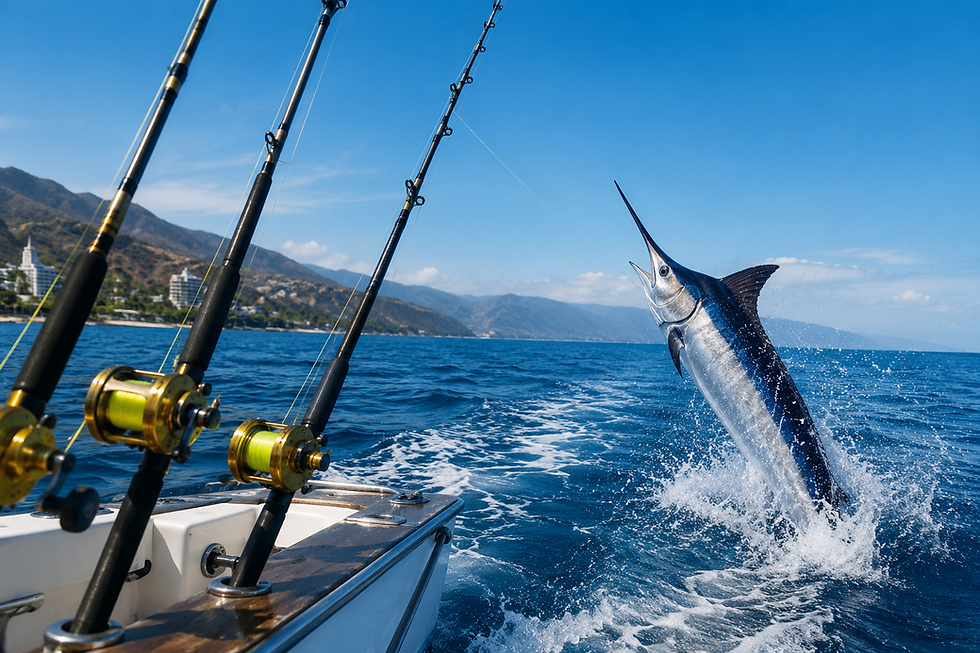
The payoff can be big. Blue marlin, black marlin, striped marlin, sailfish, large dorado, and yellowfin tuna are all part of the broader regional draw. The catch is that big-game fishing requires patience. Some days include long stretches of searching between bites.
A full-day charter makes the most sense when the group is fully aligned. If half the boat wants a trophy marlin and the other half wants to be back for lunch, book a shorter trip.
Pangas and cruisers suit different kinds of days
Boat choice matters as much as trip length.
Pangas are smaller, simpler, and more affordable. They are nimble, efficient, and great for inshore fishing or short nearshore runs. For two to four people who want an active fishing morning, a panga can be a smart choice.
Larger cruisers offer more comfort. Shade, seating, bathrooms, and space to move around matter on longer trips. They also handle offshore conditions better and are more comfortable for mixed groups.
If the plan involves kids, older relatives, or anyone who wants shade and a restroom, spend the money on the larger boat. Comfort keeps the day fun.

Fish the season, not just the calendar opening
Banderas Bay has fish all year, but the style of fishing changes with water temperature, weather, and migration patterns. The best season depends on what kind of day you want.
November through April brings comfort and billfish action
The cool season is popular for good reason. Mornings are often calmer, temperatures feel more comfortable, and conditions are easier on mixed groups.
This period is known for strong numbers of:
Sailfish
Striped marlin
Dorado
Inshore species along the bay and rocky points
For travelers who care about weather as much as fishing, November through April is hard to beat. The water may not always hold the largest tuna or biggest marlin of the year, but the overall experience is smooth and vacation-friendly.
Dorado are also a major draw during this stretch. They are beautiful, aggressive, and excellent on the grill. When floating debris, current lines, or bait schools line up, dorado fishing can turn a good morning into a memorable one fast.
May through October brings heat, rain, and big fish potential
The warm season brings warmer water and larger pelagic targets. This is when blue marlin, black marlin, and yellowfin tuna become a bigger part of the offshore conversation.
The tradeoff is weather. Days can be hot, humidity rises, and afternoon showers are common. That does not mean fishing is poor. It means timing matters. Early departures are especially important, and crews pay close attention to port conditions, swell, wind, and storm activity.
For serious anglers, the warm season can be worth the extra heat. Larger marlin and tuna are never guaranteed, but the potential is there.
Match expectations to the month
No captain can control the bite. A good operator will talk about recent conditions, not just a generic species calendar. Before booking, ask what has been active in the last week or two and how far boats are running to find fish.
A strong answer sounds practical. The crew should be able to explain whether they recommend inshore, offshore half-day, or full-day based on current water, bait, and weather.
Ask the right questions before booking
The cheapest charter is rarely the best value. A smooth day comes from clear communication, safe equipment, fair policies, and a crew that knows how to handle different skill levels.
Before sending a deposit, confirm the basics.
Know what the price includes
Ask whether these items are covered:
Fishing licenses
Bait
Tackle
Ice
Drinking water
Snacks or food
Fuel surcharges
Fish cleaning
Some boats quote a simple all-in rate. Others add charges later. Neither approach is automatically wrong, but surprises at the dock are a bad start.
For longer trips, ask about food. A few waters and a bag of ice may be fine for a short inshore run. A full offshore day needs more planning.
Confirm the weather and closed-port policy
Banderas Bay is generally friendly to anglers, but ports can close when conditions are unsafe. Before booking, ask what happens if the port closes or the captain cancels due to weather.
You want a clear policy on rescheduling or refunds before payment. Good operators explain this without making it awkward.
Also ask who makes the final weather call. The right answer should center on safety, port authority guidance, and the captain’s judgment.
Discuss catch and release expectations
Billfish are typically released. That includes sailfish and marlin. Crews in the region generally understand proper handling and release practices, but it is fair to ask how they approach it.
Edible fish are different. Tuna, dorado, snapper, and similar species may be kept within legal limits. Most crews will fillet the fish for you at the dock or help arrange cleaning.
If you are staying in a rental with a kitchen or grill, fresh dorado or tuna can turn into the best meal of the trip.
Pack for sun, spray, and comfort
A little preparation makes the day better. Bring:
Reef-safe sunscreen
A wind-secure hat
Polarized sunglasses
Light, sun-protective clothing
Non-marking shoes or secure sandals
A dry bag for phones and wallets
Motion sickness medication if needed
Cash for the customary crew tip
Polarized sunglasses are especially useful. They cut glare, help spot floating debris and bait, and make the ride easier on your eyes.
Avoid bringing too much gear unless the captain asks for it. Most charters provide rods, reels, lures, bait, and tackle suited to local conditions.

Book the crew, not just the boat
A shiny boat can still deliver a poor day if the operator communicates badly, cuts corners, or ignores the group’s comfort level. Crew quality matters far more than the paint job.
Look for operators who answer questions clearly, explain conditions honestly, and match the trip to the group. For first-timers, patience matters. A good crew teaches without making people feel foolish. For experienced anglers, local knowledge and effort matter most.
Fishing Rebels is our top recommendation for Banderas Bay because of their straightforward communication, patient crews for beginners, and flexible fleet. That combination helps whether the plan is a family-friendly inshore morning or a more serious offshore run.
When comparing any operator, pay attention to how they respond before you book. If communication is vague before payment, it rarely improves at sunrise on the dock.
The best fishing day in Banderas Bay is not always the longest or most expensive. It is the one that fits the season, the group, the marina, and the water conditions. Choose the right departure point, book enough time for your target species, and ask clear questions before the deposit.
Then keep the afternoon open. With a little luck, you will be back on the terrace by early afternoon, cooking fresh fish while the rest of the group swims. That is the kind of fishing day Banderas Bay does better than almost anywhere.

Comments